
The Champions League Twenty20 (CLT20) was a landmark tournament designed to unite the best domestic T20 teams from around the cricketing world. Yet, behind the spectacle lay one of cricket’s most complicated dilemmas, the player conflict. Many cricketers found themselves caught between two teams they represented: their domestic home side and their franchise club. Choosing one meant letting down the other, leading to emotional stress, contractual debates, and even public controversies.
The conflict went beyond money, it reflected a changing cricket world where global franchise commitments clashed with homegrown loyalty. This article explores the origins, rules, and human stories behind this conflict that defined the CLT20 era.
Origins Of The Multi Team Qualification Problem:
When CLT20 debuted in 2009, it aimed to showcase the champions of domestic T20 leagues from India, Australia, South Africa, and beyond. However, this created a structural conflict. Many players were part of multiple qualifying teams for instance, an Indian player could qualify through both his IPL franchise and his state team, while an Australian star could qualify with his Big Bash club and his IPL team.
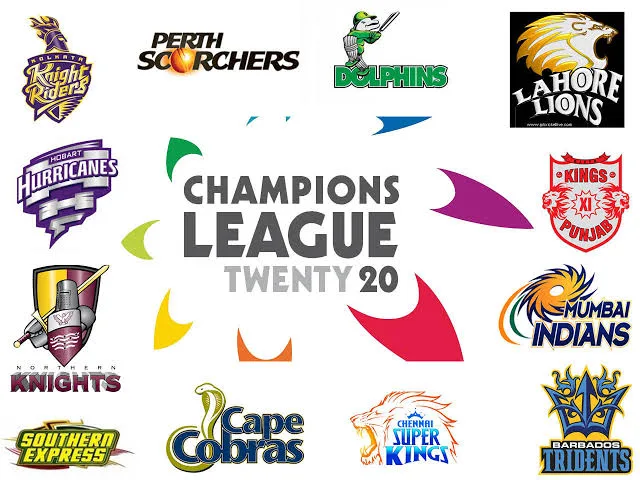
This dual qualification sparked questions: who decides where the player goes? The franchise? The board? The player himself?
- The CLT20 governing council was forced to establish clear eligibility rules.
- Players began facing emotional and professional pressure from both sides.
- The situation exposed the global web of overlapping T20 commitments.
This issue wasn’t just logistical; it was cultural, a sign that cricket had moved from being nationally bound to commercially connected worldwide.
Rule Architecture And Financial Incentives:
To address these recurring conflicts, CLT20 organizers brought in a compensation mechanism. If a player qualified for multiple teams, the away team (non-home side) had to pay $200,000 to the player’s home side to secure his participation.
This rule tried to create a balance between loyalty and opportunity.
- Domestic teams were compensated for losing their star players.
- Franchises gained the right to retain contracted players without legal disputes
- The player, in theory, was given a choice, but in reality, it was never simple.
- Players often found themselves in the middle of an ethical tug of war.
- The home side represented identity and loyalty; the franchise offered fame and better pay.
- Fans watched closely, sometimes celebrating the decision, other times questioning it.
The rule was a financial solution to what was, at its core, a human problem.
Which Player Conflict In CLT20?
Several high-profile cases brought this issue to the forefront, making headlines worldwide. The most discussed conflict involved South African legend Jacques Kallis, who found himself torn between his provincial team, the Warriors, and his IPL franchise, Royal Challengers Bangalore.
The Warriors claimed Kallis owed loyalty to his domestic setup, while RCB maintained he was contractually bound to play for them. Kallis eventually chose RCB, leading to emotional disappointment back home.
Other notable examples include:
- Kieron Pollard – faced a dilemma between Trinidad & Tobago and Mumbai Indians.
- David Warner – could have played for New South Wales or his IPL side Delhi Daredevils.
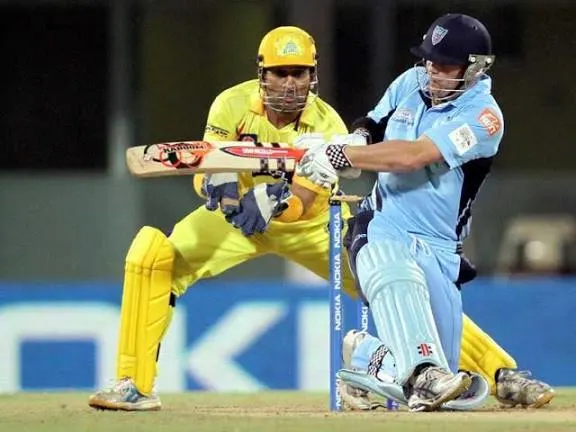
- AB de Villiers – had to navigate similar choices between Titans and Delhi Daredevils.
These cases underlined how commercial cricket blurred national and domestic identities. It wasn’t about betrayal, it was about navigating professionalism in an era when cricket had become a global business
Discontinuation Of The Champions League Twenty20:
The Champions League Twenty20 (CLT20), once envisioned as the “club world cup” of cricket, was officially discontinued in 2015 after its last edition in 2014. The decision marked the end of a bold experiment that aimed to bring together the best domestic T20 teams from around the world from the IPL, Big Bash, Ram Slam, and Caribbean leagues. While the idea was ambitious, several factors led to its downfall.
In simple terms, CLT20 couldn’t sustain the same excitement and financial success as its domestic counterparts like the IPL. The tournament struggled to capture consistent global attention and viewership outside India. Despite the presence of star players and strong franchises, fans often felt less emotionally invested because they didn’t strongly identify with non-national teams.
Key reasons behind discontinuation:
- Low viewership and fan engagement: Ratings dropped drastically after 2012, especially for matches not involving IPL teams.
- Scheduling issues: The tournament often clashed with international series and player commitments, leading to withdrawals and weaker squads.
- Commercial losses: Broadcasters and sponsors found it unprofitable compared to IPL and other national leagues.
- Identity problem: Fans found it hard to connect with “club” teams from other countries without national context.
- Overlapping leagues: By 2014, T20 leagues around the world had become crowded, limiting player availability.
Despite its failure to thrive long-term, CLT20’s legacy remains significant. It laid the foundation for global franchise cricket, proving that domestic teams could compete internationally. Many ideas from player drafts to compensation rules which are influenced later leagues like the PSL, CPL, and SA20.
In hindsight, the CLT20 wasn’t a failure but rather a learning curve for modern T20 cricket, showing both the potential and pitfalls of making cricket a global club-based sport.
Which Player Plays in Which Teams?
The biggest question that surrounded every Champions League Twenty20 season from 2009 to 2014 was simple yet dramatic, Which player plays where?
Each year, cricketers who had performed brilliantly in both domestic leagues and the IPL found themselves eligible for multiple teams. This led to tense negotiations, emotional decisions, and a global guessing game for fans. The CLT20 management published official player lists each season to clarify where these cricketers would appear.
Below is a detailed table showing major player choices during the CLT20 era:
| Year | Player | Domestic / Home Team | Franchise / Away Team (IPL) | Team Represented in CLT20 | Reason for Choice |
| 2009 | Adam Gilchrist | New South Wales | Deccan Chargers | Deccan Chargers | Franchise captain; IPL winner and team leader |
| 2010 | Kieron Pollard | Trinidad & Tobago | Mumbai Indians | Mumbai Indians | Financial benefits and IPL loyalty |
| 2011 | Dwayne Bravo | Trinidad & Tobago | Chennai Super Kings | Chennai Super Kings | Franchise priority and leadership role |
| 2011 | David Warner | New South Wales | Delhi Capitals | New South Wales | Opted for domestic team for stronger home ties |
| 2012 | AB de Villiers | Titans (South Africa) | Delhi Capitals | Delhi Capitals | Long-term franchise contract took precedence |
| 2013 | Shane Watson | New South Wales | Rajasthan Royals | Rajasthan Royals | Continued as all-rounder and captain with RR |
| 2013 | Rohit Sharma | Mumbai (India) | Mumbai Indians | Mumbai Indians | Represented both domestic and franchise team |
| 2014 | Dwayne Smith | Barbados Tridents | Chennai Super Kings | Chennai Super Kings | Opted for franchise team; higher exposure |
| 2014 | George Bailey | Tasmania | Kings XI Punjab | Kings XI Punjab | Franchise captain; contractual first rights |
By the final edition in 2014, the structure of CLT20 had already inspired every major T20 league, proving that cricket had evolved from national passion into a global professional network of contracts, franchises, and careers.
Impact On Teams And Player Loyalty:
These conflicts deeply affected team morale and fan sentiment. Domestic teams often felt undercut by richer franchises that could lure away their best players. In contrast, franchises believed they were entitled to field the players they invested in.
Domestic sides, especially from smaller boards, struggled to keep talent loyal. The compensation model did little to address the emotional loss of fan icons. Franchises gained reputation but faced criticism for commercial dominance.
For players, it was emotionally draining. Some spoke openly about guilt, while others justified their choices as professional necessity. This delicate balance between passion and pragmatism became the hallmark of CLT20’s identity crisis.
Why Some Players Chose Domestic Over Franchise?
Not every story ended in controversy. Some cricketers prioritized home loyalty over franchise fame. Their decisions revealed that emotional ties could sometimes outweigh financial rewards.
Why they chose domestic teams:
- Pride in representing their home region or country.
- Long-term support from domestic boards and fan bases.
- Fewer commercial expectations and more personal comfort.
Why others stayed with franchises:
- Better pay and global exposure.
- Higher competition levels and stronger teammates.
- Potential for career advancement in international leagues.
Every decision carried weight. For some, loyalty was priceless; for others, professionalism was survival. And that mix of personal stories made the CLT20 one of the most fascinating chapters in cricket’s modern history.
Board Policies To Manage Player Conflicts:
When the player dilemma started affecting tournament credibility, cricket boards had to step in with clearer rules. The Board of Control for Cricket in India (BCCI), Cricket South Africa, and Cricket Australia worked together to define how players with multiple team ties would be handled before each edition of CLT20.
Boards insisted on formal declarations from players before the tournament, stating their preference and contractual obligations. This preemptive step was meant to avoid mid-tournament controversies.
Some key approaches included:
- Priority Contracts: Franchises had the first right if a player’s central contract specified so.
- NOC Procedures: Players required a No-Objection Certificate from their national board to participate in any non-domestic side.
- Mutual Settlements: Domestic teams could negotiate compensation directly with franchises for players they released.
This structure brought temporary calm, but not without drawbacks. While administrative clarity improved, emotional satisfaction remained elusive. Boards realized they could only regulate the rules, not the loyalties that came with them.
The Role Of Fans And Media Narratives:
Fans and media were instrumental in shaping how these conflicts were perceived. The question of “who plays where” often dominated pre-tournament headlines. Social media debates, fan polls, and press commentary turned player decisions into moral judgments.
Fans of domestic teams often viewed a player’s franchise choice as betrayal. Franchise fans celebrated it as a triumph of professionalism and progress. Media outlets dramatized every decision, turning contract clauses into emotional storylines.
Beyond drama, these narratives reflected deeper changes in how fans saw modern cricket. The sport was no longer confined to national colors, it had become a transnational brand economy. Players weren’t just athletes; they were global ambassadors juggling dual loyalties.
The media storm created pressure, but also visibility. Many players admitted that the attention affected their decision-making, sometimes prompting last-minute reversals based on fan sentiment or personal reflection.
Lessons From Notable Case Studies:
Some specific cases became lessons for how future tournaments should handle conflicts.
Key takeaways:
- Similarly, Kieron Pollard’s case was eye-opening, he famously chose Mumbai Indians over Trinidad & Tobago, which sparked outrage in the Caribbean but boosted his international brand value.
- Clear communication between franchises and domestic teams prevents confusion.
- Compensation should be structured to value both financial and emotional stakes.
- Players need transparent guidance about the implications of their choices.
- Jacques Kallis’ decision to play for RCB reshaped the conversation about franchise loyalty.
Each controversy helped refine the framework for later tournaments like the IPL and CPL. What began as a conflict eventually became a model for coexistence between domestic systems and global franchises.
The Upcoming CLT20 Revival And Future Conflicts:
With reports suggesting a CLT20 revival in 2026, the old conflicts are set to reemerge in a more complex cricketing landscape. Today, top players represent up to five different franchises globally. As T20 leagues multiply, the question of allegiance will only become harder to manage.
Modern challenges include:
- The contract overlaps across IPL, Big Bash, PSL, and Major League Cricket.
- Central contracts that restrict outside participation.
- New financial models like player auctions and retention policies.
To avoid repeating history, the revived CLT20 must prioritize contractual transparency, fair scheduling, and player-centric decision frameworks. Boards will need to balance commercial interests with respect for local fan bases to maintain authenticity.
Legacy Of The CLT20 Conflicts:
In retrospect, the player conflicts of CLT20 symbolized the transformation of cricket from national representation to global employment. They forced the sport to confront questions about loyalty, identity, and commercial ethics.
Encouraged boards to modernize player contracts with international clauses. Inspired other leagues to manage cross-team conflicts better. Shifted public perception players were now seen as professionals first, patriots second.
Despite the controversies, CLT20’s player dilemmas paved the way for today’s global cricket ecosystem, where a player from Australia can play for a Caribbean franchise and train under an Indian coach all in one season.
Conclusion:
The player tug of war in CLT20 was more than just a contractual puzzle; it was a reflection of cricket’s evolution. What began as confusion between loyalty and livelihood transformed into a lesson in coexistence between passion and professionalism. As T20 leagues continue to grow worldwide, these conflicts will remain relevant, reminding us that every player’s choice carries a story of heart, ambition, and change.
Frequently Asked Questions:
They occurred because many players represented both domestic and franchise teams that qualified simultaneously, forcing them to choose one.
If a player joined a non-home franchise, that team had to pay $200,000 to the player’s original domestic side as compensation.
Jacques Kallis choosing Royal Challengers Bangalore over the Warriors and Kieron Pollard opting for Mumbai Indians over Trinidad & Tobago are two of the most notable examples.
Future tournaments are expected to implement unified contracts, stricter schedules, and pre-declared player commitments to avoid overlaps.
Yes. They pushed boards to professionalize player management, clarified franchise rights, and helped globalize the sport’s commercial framework.